4,474 hearts
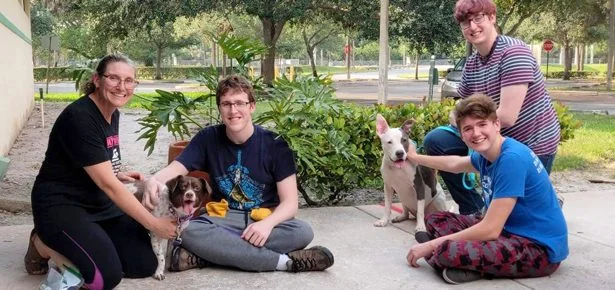
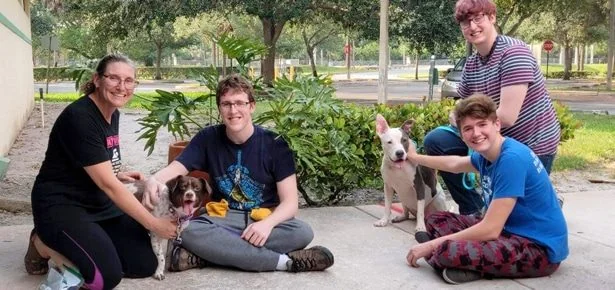
In a plot twist nobody saw coming, stray dogs across the U.S. and Canada are nabbing second chances at forever homes at an unprecedented rate, as shelters report a stampede of would-be adopters and foster parents rushing in during COVID-19 restrictions.
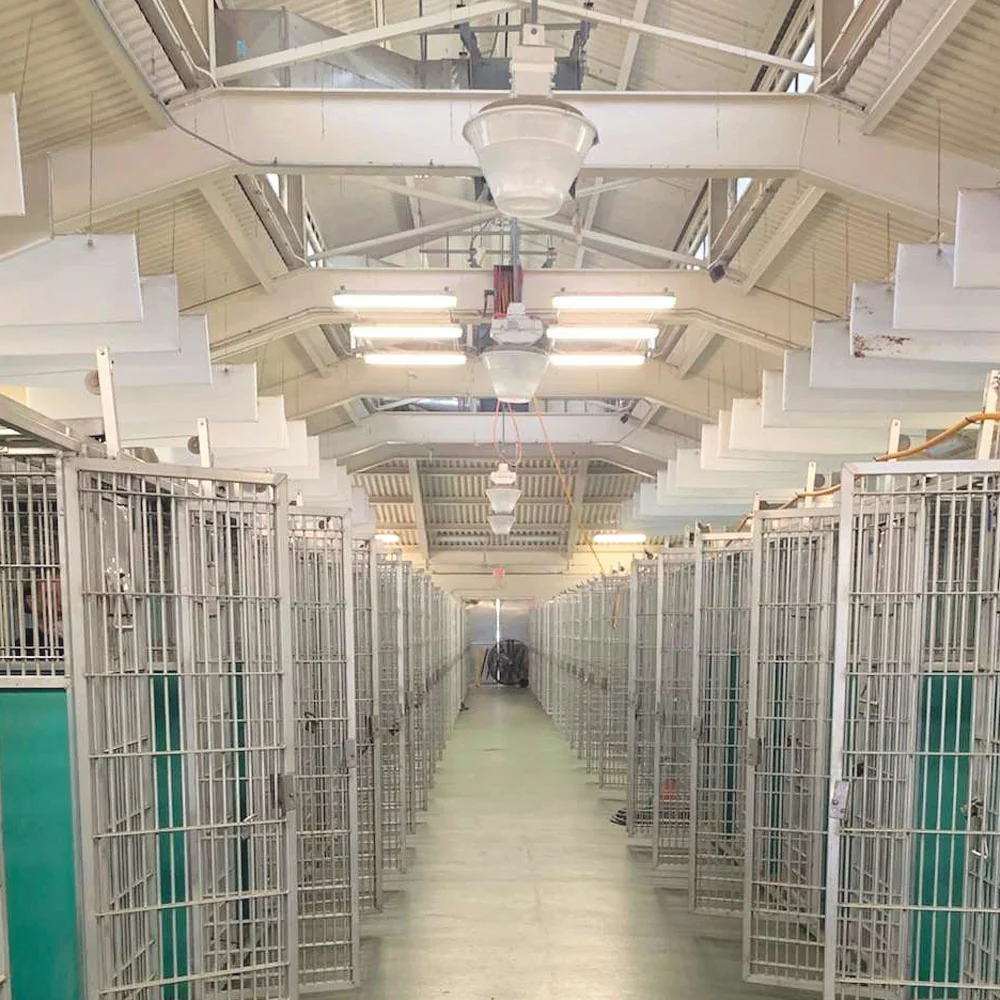
Down in Florida, Palm Beach County Animal Care & Control just pulled off something historic: they cleared one of their three kennels completely empty—for the very first time ever.
Elizabeth Harfmann, the shelter's community outreach manager, says the adoption-and-foster surge exploded in mid-March.
"We've sort of slammed the brakes as a society, and people are home far more," Elizabeth explains, adding that folks are hunting for companionship—"something positive despite the chaos and stress that's swirling everywhere, and adopting or fostering a pet is a fantastic way to grab hold of that."
Each kennel holds between 48 and 100 dogs at a time, Elizabeth notes. "We're open all seven days. Animals are always streaming through our doors needing help—so to watch one kennel sit fully empty was just mind-blowing," she says.
"The absence of animals is surreal," Elizabeth describes about the shelter now, which she calls "wonderful" for staff, who suddenly have breathing room to shower extra TLC on the pets in their care.
The average stay for an adoptable dog typically hovers around two weeks—but now they're moving in a "matter of days."
"We're fielding inquiries daily—anywhere from five to 15 from people eager to adopt or scoop up a foster," Elizabeth says.
A National Geographic and Morning Consult poll of 2,200 Americans found that 20% have toyed with adopting a pet during this stretch of distancing and quarantine. And 17% have considered fostering.
"A ton of our recent dog and cat fosters are already planning to keep them permanently, so those pets aren't coming back," Elizabeth added.
Nashville Metro Animal Care and Control Director Lauren Bluestone says that around the start of March, the shelter desperately pushed to place animals in foster homes, in part over social distancing worries. Shelters braced for adoptions to grind to a halt amid quarantine—and feared a staffing meltdown if work-from-home orders hit operations, plus a possible flood of surrendered pets. It could've been a catastrophe. Instead, the exact opposite unfolded.
"It turned into an incredibly successful push in terms of how many people came forward to help the animals," Lauren says. As dogs pour in, "we're basically moving them straight into foster."
A staggering contrast: in March 2019, 12 people signed up to be foster dog parents. In the same window this year, 447 brand-new applicants flooded in.
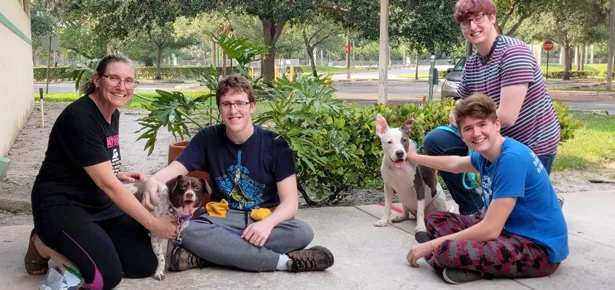
"I couldn't be happier," Lauren says, "this has just been overwhelming."
"It's the perfect moment for people to step up and pitch in. So many are working from home. Pets—even fosters—are a fantastic daily emotional perk, and that's exactly what folks are telling us," she says.
At Foster Dogs Inc. in New York, founder Sarah Brasky confirms her group is seeing adoption fever too.
"We've seen far more interest in fostering than ever before," she says, revealing that Foster Dogs averaged 4.5 applicants a day last year—a number that skyrocketed to an average of 100 daily by March 2020.
Since March 14, Sarah says nearly 90 percent of website applicants on the Foster Roster are complete rookies to fostering.
"Here's the ironic twist," she laughs, "far more people want to foster than there are dogs actually sitting in shelters—so the tables have completely flipped."
"The beauty of fostering is that every new foster dog teaches you something, and you can take on more next time," she adds, hoping the momentum outlasts COVID-19 restrictions.
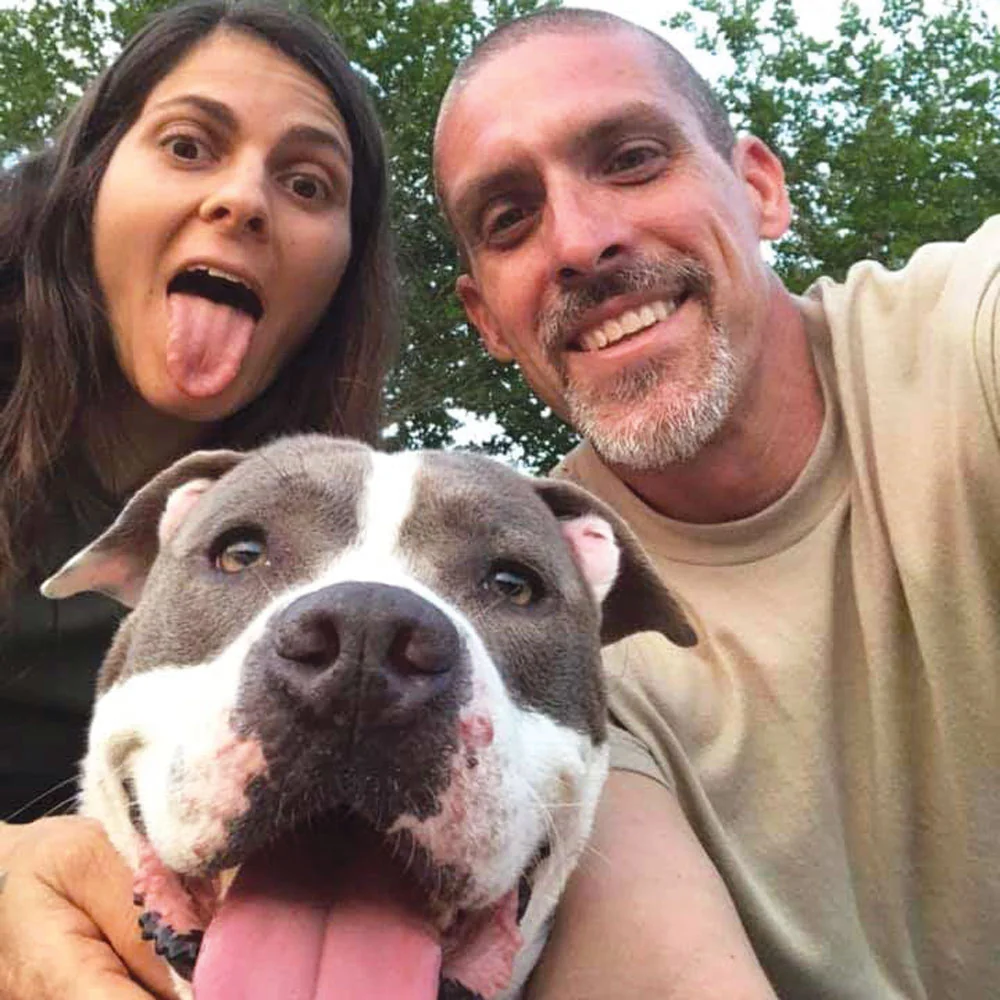
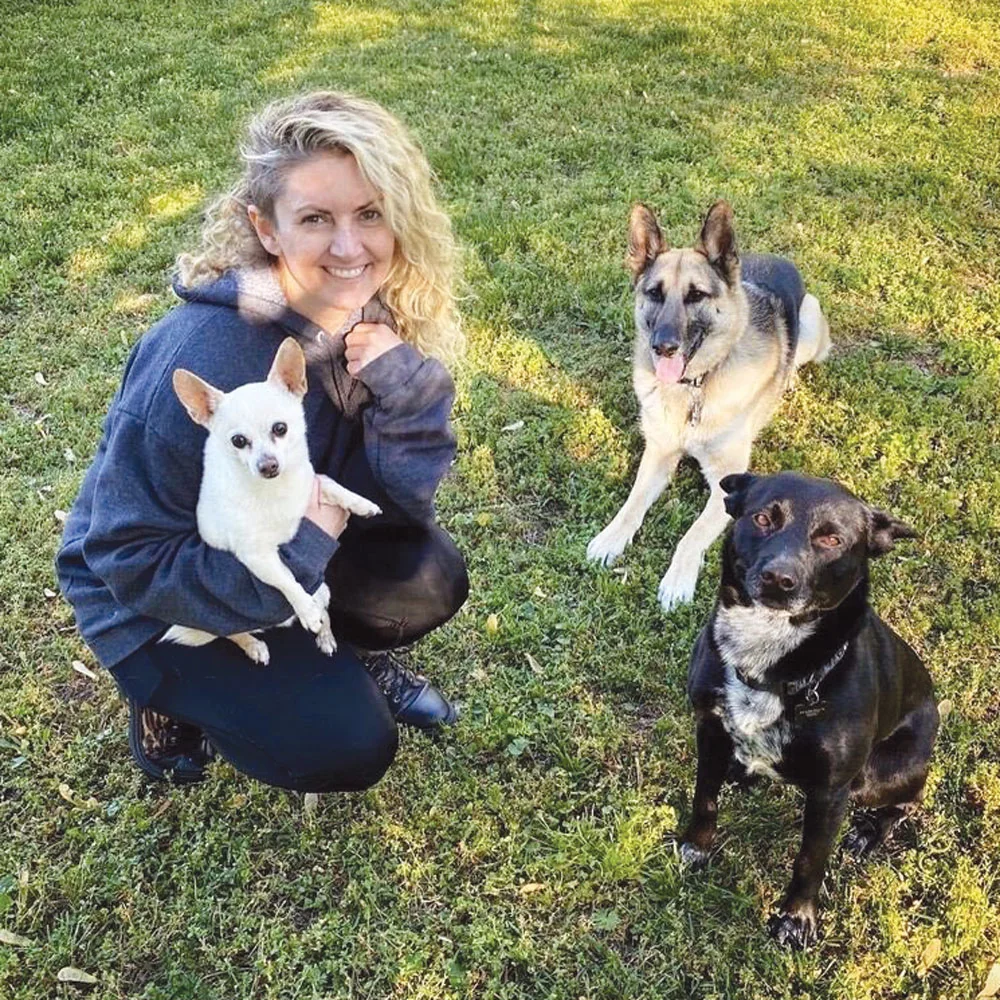
Fosters can be the secret weapon behind a stray's happy ending, Sarah says—"when a foster parent snaps a photo of a dog sprawled on a couch, or tearing across the yard, or roughhousing with their cat or kid, that image can be the deciding factor when adopters scan pet listings and could literally be the reason that dog gets adopted."
Susie's Senior Dogs leverages its social media platform to give aging strays nationwide a spotlight, and founder Erin Stanton says senior animals are landing homes "a lot quicker" in recent weeks.
"The reality of posting about senior dogs is it can drag out," Erin says, explaining the challenge of convincing people that even a shorter time with a senior dog beats a puppy—"that it's still worthwhile, that you can still find incredible joy and companionship and do so much together."
Erin says rescue groups have been reporting that the senior dogs she shares are now being adopted within a single week.
Up in Canada, the BC SPCA and shelters nationwide have likewise been moving dogs into forever homes at record speed since March's COVID-19 restrictions, says spokesperson Lorie Chortyk.
"In March 2019, 12 people signed up to become foster dog parents—that same time this year 447 new applicants signed up."
"We're witnessing massive interest, not just in dog adoptions but in every animal out there," Lorie says. "Animals are pulling multiple applications."
"Puppies would always fly out quickly, but other dogs might linger a week, ten days, two weeks—now those same animals are walking out the very same afternoon they arrive," Lorie says, noting the interest spans all ages in the shelter's care.
"We're so grateful people are turning to the SPCA. There are endless amazing animals needing homes, and new ones walk through our doors every single day," she says.
Lorie echoes other shelters: while it's heartening to see more adoptions and fosters from people working from home, staff are carefully vetting potential pet parents to ensure they fully grasp what they're signing up for—so no animals boomerang back once society returns to the office.
"We don't want impulsive decisions fueled by boredom or loneliness. We want people to understand this commitment lasts the animal's whole lifetime," Lorie says. "We make sure every adoption counselling session and discussion still happens so people truly understand the financial and time commitment they're making."
At the Nashville shelter, social distancing means video interviews are now the norm for foster applicants, while Elizabeth says her staff have one-on-one chats to make sure a prospective pooch fits their lifestyle.
"People worry shelters will be swamped with returned pets once the pandemic lifts, but personally I don't believe that," Elizabeth says. "People have the time and the home atmosphere to truly weave these pets into their families and daily routines."
Erin stresses that this wave of fostering and adopting needs to persist beyond COVID-19 restrictions, because "there's clearly going to be economic hardship," she says, which will drive "a rise in shelter intakes as people can no longer afford their dogs."
For now, though, "seeing kennels this empty is a dream for us," Elizabeth says. "This is what we pour our hearts into day after day. We're over the moon."
By hitting the arrow you accept our web Terms of Use and Privacy & Cookie Policy. Every email comes with easy one-click unsubscribe links.
keep the journal open